
Receding Gums: Causes, Prevention, and Treatment Options
Receding Gums: Causes, Prevention, and Treatment Options
Article ID 228 | Cluster: Periodontics & Gum Disease | Content Type: Problem/Solution | Funnel Stage: Top of Funnel
Receding gums usually mean gum tissue has pulled away from the teeth, exposing more of the tooth or even the root. It can happen from gum disease, brushing habits, bite forces, tooth position, tobacco use, or other factors, so the right next step depends on what is driving it.
Key TakeawayReceding gums usually mean gum tissue has pulled away from the teeth, exposing more of the tooth or even the root. It can happen from gum disease, brushing habits, bite forces, tooth position, tobacco use, or other factors, so the right next step depends on what is driving it.
Why gums recede in the first place
Recession is the end result of tissue loss around a tooth. In some people, that loss starts with inflammation from plaque and tartar. NIDCR explains that gingivitis can often be reversed, but untreated gum disease can progress deeper and damage the tissues and bone that support teeth. Once support is lost, the gumline may move lower on the tooth.
Not every case is caused by infection. Brushing hard with a medium or hard-bristled brush, scrubbing horizontally at the gumline, chronic clenching or grinding, a misaligned bite, oral piercings, tobacco use, and naturally thin gum tissue can all contribute. Some teeth are simply more exposed because they sit outside the bony housing or because the lip or cheek pulls on the gumline.
That is why the same symptom can lead to different treatment plans. A dentist or periodontist is trying to answer two questions: is the recession still active, and what is causing it?
Symptoms that matter more than appearance
People often notice recession because a tooth looks longer than before. But appearance is only part of the picture. Exposed root surfaces can be very sensitive to cold air, sweet foods, and brushing. You may also notice a notch near the gumline, a yellower color near the root, food trapping, bleeding when you brush, or a feeling that floss catches in one area.
If recession is tied to gum disease, warning signs may include bleeding gums, persistent bad breath, tenderness, and teeth that seem to shift. MouthHealthy notes that scaling and root planing may be used when gum disease has created deeper pockets below the gumline, which is different from a simple cleaning.
Short-term relief vs treatment that fixes the cause
Temporary symptom relief is mostly about reducing irritation. A soft-bristled toothbrush, a gentler brushing angle, fluoride toothpaste, and a toothpaste made for sensitivity can help some people feel better. If acidic drinks are part of the problem, cutting back can reduce additional root wear. If grinding is suspected, a dentist may recommend evaluating your bite or discussing a night guard.
Definitive treatment depends on the cause. If plaque and tartar are driving inflammation, treatment may start with a professional cleaning or periodontal therapy. If the area is stable but sensitive, a dentist may place a bonding material over the exposed root. If the tissue is thin or the recession is advanced, a gum graft may be discussed to protect the root and improve comfort. MouthHealthy notes that grafting can also reduce root sensitivity in some cases.
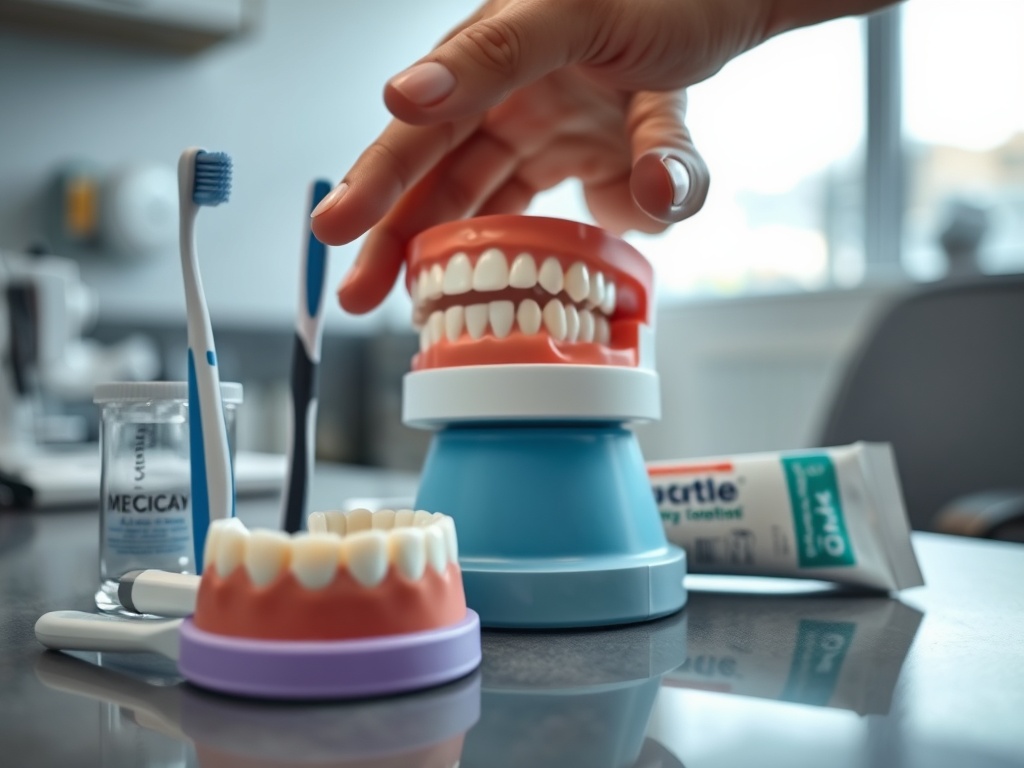
No home product can reliably regrow lost gum tissue. Marketing around miracle gels, charcoal powders, or do-it-yourself techniques should be viewed carefully. The safest approach is to identify the cause first.
How to prevent more recession
Prevention is about lowering daily stress on the gumline. Use a soft brush, small circular motions, and light pressure. Clean between your teeth every day. Keep regular hygiene visits so plaque and tartar do not sit undisturbed near the gums. If you smoke or vape nicotine, stopping may improve healing and lower periodontal risk.
It also helps to catch related problems early. If you wake with jaw soreness, have headaches, or notice flattened or chipped teeth, mention possible grinding. If one tooth is much more prominent than the others, ask whether tooth position is increasing recession risk. If recession appears around orthodontic movement or old dental work, that deserves a closer look rather than guesswork at home.
If you are comparing other long-term dental decisions, our guides on Sleep Dentistry: Oral Appliance Therapy vs CPAP From a Dental Perspective, When Should a Child See an Orthodontist for the First Time?, and Oral Surgery Consultation Checklist: Questions to Ask Before You Schedule can help frame what stays routine versus what deserves faster evaluation.
Questions About Receding Gums Causes Prevention Treatment Options
Schedule a routine appointment soon if you notice new recession, bleeding, bad breath that does not improve, temperature sensitivity that lingers, or a tooth that looks longer than it used to. These are common reasons for a non-emergency dental evaluation.
Seek urgent dental care sooner if you have facial swelling, pus, fever, severe throbbing pain, a loose tooth, or gum tissue that is rapidly changing around one area. Those signs can point to active infection or more advanced support loss and should not wait.
Questions patients often ask about gum recession
Can receding gums grow back on their own? Usually no. Inflammation can improve, but lost gum tissue does not typically return on its own.
Is it always gum disease? No. Technique, bite forces, tooth position, and thin tissue can all play a role.
Does every case need surgery? No. Many cases are managed with cleaning, home-care changes, monitoring, desensitizing measures, or bonding. Surgery is reserved for selected situations.
Questions About Receding Gums Causes Prevention Treatment Options During Planning
For Receding Gums Causes Prevention Treatment Options, this part of Questions About Receding Gums Causes Prevention Treatment Options During Planning focuses on the symptom history, previous treatment, current medicines, and the result the patient values most before consent is finalized, with the same details verified before consent is finalized. The clinician should also explain which examination finding supports each recommendation and what information could change it for Receding Gums Causes Prevention Treatment Options before treatment is scheduled, using the examination and health history rather than a general assumption.
Clinical Checks for Receding Gums Causes Prevention Treatment Options
For Receding Gums Causes Prevention Treatment Options, this part of Clinical Checks for Receding Gums Causes Prevention Treatment Options focuses on confirmed findings, measurements, imaging, and health-history factors when the follow-up plan is written, with the same details verified before consent is finalized. The clinician should also explain what remains uncertain and whether another test or specialist opinion would alter the plan for Receding Gums Causes Prevention Treatment Options as the long-term result is reviewed, using the examination and health history rather than a general assumption.
Clinical references behind this guide
For readers who want primary background on recession, start with NIDCR's periodontal (gum) disease overview, MouthHealthy's gum disease explainer, and MouthHealthy's scaling and root planing page.
For added background, NIDCR offers useful patient-facing context on this topic.
Comparing Options for Receding Gums Causes Prevention Treatment Options
Before choosing a path for Receding Gums: Causes, Prevention, and Treatment Options, identify which trade-off matters least and which clinical risk matters most while comfort and function are assessed. When comparing approaches to Receding Gums: Causes, Prevention, and Treatment Options, use the same criteria for every option: expected benefit, limitations, durability, maintenance, timing, and total cost. For Receding Gums: Causes, Prevention, and Treatment Options, ask how much healthy tooth or tissue each option preserves and what future repair may be required when maintenance is discussed.