
Single-Player vs Live-Service Games: What Kind of Commitment Are You Signing Up For?
Single-player games usually ask for a contained time commitment: buy the game, play the story, finish or replay it on your schedule. Live-service games ask for an ongoing relationship, with updates, seasons, events, communities, currencies, and shifting priorities.
Commitment Check: Choose single-player when you want ownership of your pace. Choose live-service when you enjoy shared progression, recurring events, and a game that changes over time. The trade-off is not just money; it is attention.
The difference is really about time
The phrase "single-player vs live-service" can sound like a design debate, but for players it is a lifestyle question. A single-player game can be huge, difficult, and long, yet it usually has a clearer boundary. You can pause, ignore it for weeks, return later, and still understand what you bought.
A live-service game is designed to keep operating. It may be free-to-play, premium, subscription-supported, battle-pass driven, or some blend of those models. It depends on updates, retention, community engagement, balance changes, and revenue after launch. GDC's 2025 discussion of the state of the game industry highlights how live-service strategies remain a major industry conversation rather than a simple success formula. The Entertainment Software Association's broader video game industry resources are also useful context for how many kinds of players now share the market.
The commitment comparison
| Question | Single-player answer | Live-service answer |
|---|---|---|
| Can I play at my own pace? | Usually yes | Partly, but events may be timed |
| Will the game change after I start? | Occasionally through patches or DLC | Constantly or seasonally |
| Is the cost predictable? | More often | Less often if cosmetics, passes, or expansions tempt you |
| Do I need other players? | Usually no | Often yes, socially or mechanically |
| Can I return after months away? | Usually easy | Sometimes confusing |
Single-player games: contained pressure
Single-player games are strongest when you want immersion without social obligation. You can explore a story, master systems, replay favorite sections, or step away without missing a limited-time event. For people with unpredictable schedules, that freedom is not a small detail. It is the reason the format works.
The cost is usually clearer too. You buy the game, perhaps add downloadable content later, and know what you own. Some single-player games still include online features, stores, expansions, or launcher requirements, so the category is not pure. But the central promise remains: the game is built around your individual experience.
The limitation is that a single-player game can feel finite. After the campaign, you may be done. If you want community, competitive ladders, seasonal freshness, and the feeling that everyone is logging in tonight, single-player may not satisfy that craving for long.
The same ownership-versus-convenience logic appears in RAW vs JPEG vs HEIF, where a flexible workflow can be powerful but demands more active management.
Live-service games: the ongoing contract
Live-service games thrive on return. They give players reasons to log in: new characters, ranked seasons, raids, concerts, cosmetics, maps, story chapters, daily quests, limited-time modes, and community events. For some players, that makes the game feel alive. For others, it turns entertainment into homework.
The strongest live-service games respect player time. They make free and paid tracks understandable, avoid punishing breaks too harshly, and give new or returning players a clear route back. The weakest ones lean too heavily on fear of missing out, confusing currencies, endless chores, and social pressure.
Developers face risk too. Ampere Analysis has noted that live-service projects carry ongoing operating and post-launch costs, while single-player titles need a strong launch audience but usually do not need to sustain active users for years in the same way through its analysis of AAA games and live service models. For players, that business reality shows up as content cadence, monetization pressure, and sometimes sudden shutdowns.
Cost is more than the sticker price
A $70 single-player game can look expensive beside a free live-service title. But a free game may include battle passes, cosmetics, expansions, skips, subscriptions, or rotating bundles. None of those is automatically bad. Cosmetic spending can be harmless when transparent and optional. The problem begins when the game makes players feel behind, excluded, or socially pressured for not spending.
Single-player costs can also climb through deluxe editions, DLC, platform upgrades, and collector bundles. The difference is predictability. A single-player purchase usually asks, "Do you want this game?" A live-service game often keeps asking, "Do you want to keep up?"
Parents and families should pay attention to account settings, spending controls, voice chat, and friend systems. Players who want a cleaner boundary may prefer single-player titles or live-service games with clear spending limits.
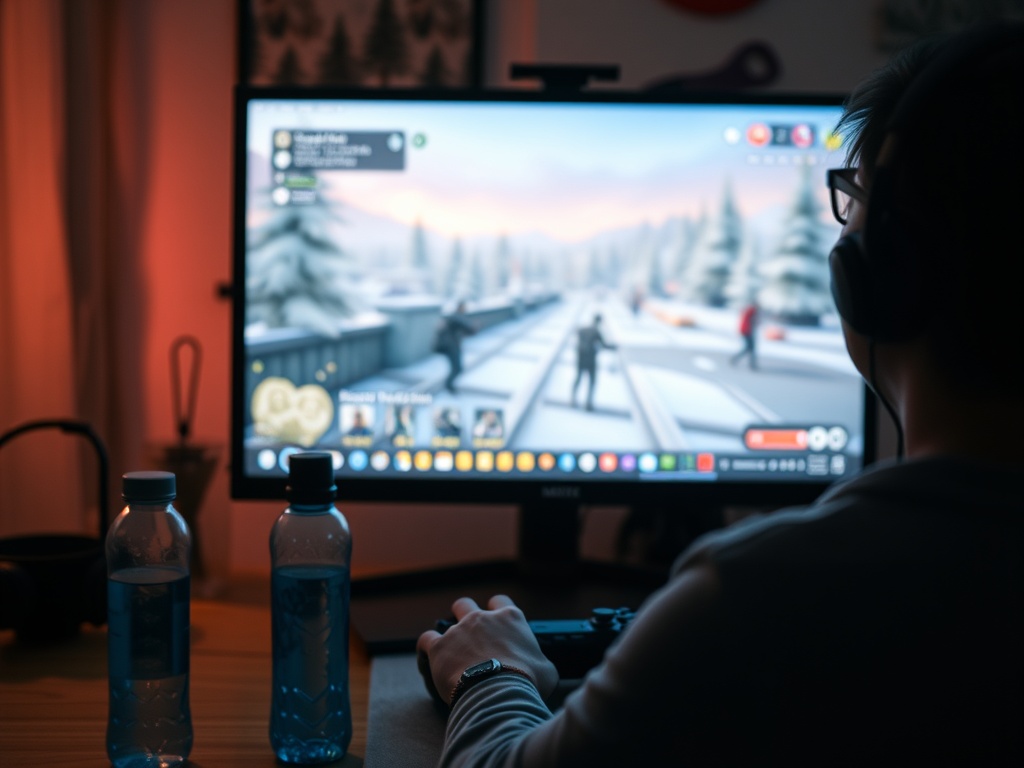
Social energy and community expectations
Live-service games often become hangout spaces. Friends log in together, streamers build routines around updates, and communities form around strategy, identity, and shared rituals. That can be genuinely positive. It can also make the game harder to leave.
A single-player game can still have a community through forums, speedrunning, mods, theory videos, fan art, and criticism. The difference is that community usually happens around the game, not inside a required schedule. You can enjoy the conversation without being mechanically behind.
This is why How Internet Fandom Changes the Way Media Is Launched and Discussed is relevant to gaming too: communities now shape anticipation, interpretation, and loyalty before many people even press start.
Red flags before committing
For single-player games, watch for poor performance, broken launches, missing promised features, and editions that split content confusingly. For live-service games, watch for aggressive monetization, unclear drop rates, limited-time pressure, a hostile community, weak onboarding, and developer communication that dodges core issues.
Also check your own behavior. If a live-service game stops feeling fun but you keep logging in to avoid wasting progress, the design may be managing you more than entertaining you. If a single-player backlog makes you feel guilty, you may be buying more stories than you have time to inhabit.
A practical player choice
Pick single-player when you want autonomy, finishable arcs, offline-friendly play, and fewer recurring demands. Pick live-service when you enjoy shared goals, ongoing updates, flexible social play, and a changing world that rewards regular attention.
A healthy gaming diet can include both. Let single-player games give you closure and live-service games give you community. The mistake is pretending they ask for the same kind of commitment. They do not, and your time is part of the price.